
What you’ll get
A working Obsidian vault you can open today: notes go in, notes come back out, nothing fancy breaks. 45–60 minutes if you stop when this guide stops. No graph obsession, no plugin shopping spree.
Before you start
- Obsidian installed (obsidian.md), free for personal use
- A folder you control:
Documents/Notesor similar: not inside a sync app’s temp directory - Optional: sync plan (iCloud, Syncthing, Obsidian Sync), pick one later; local-first is fine for week one
Obsidian is Markdown files in a folder. The app is a viewer and editor. That’s the whole trick.
Steps
1. Create the vault in a plain folder
- Open Obsidian → Create new vault.
- Name it something boring:
NotesorVault. - Location: a path you back up (Time Machine, Syncthing, git: your call later).
Don’t nest the vault inside Notion exports, Dropbox “online only” folders, or Google Drive’s conflict-prone zones until you understand sync quirks.
2. Use three folders: only three
In the vault root, create:
inbox/
notes/
archive/- inbox/: everything new lands here first
- notes/: stuff you’ve named and kept
- archive/: done, but you might search later
That’s it. No Areas/Resources/Projects/ PARA tribute band on day one.
3. Write one note the dumb way
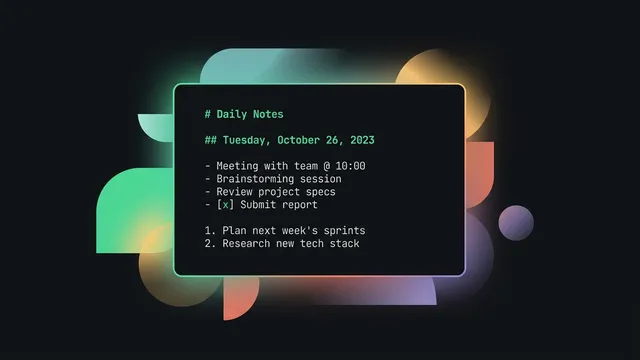
inbox/2026-07-22-test.md:
# Why I'm trying Obsidian

- Plain files
- Search works
- I can leave anytime

Links to try later: [[notes/placeholder]]
Save. Confirm you see the file in Finder/Explorer. If the file exists on disk, you win.
4. Turn on useful core settings (not plugins)
Settings → Editor:
- Readable line length: on, if you like
- Strict line breaks: off unless you care
Settings → Files & Links:
- Default location for new notes →
inbox - New link format → shortest path when possible
- Use [[Wikilinks]]: on
Settings → Hotkeys:
- Set Quick switcher and Command palette to keys you’ll remember
Skip the Community Plugins tab. Seriously. Close it.
5. Naming rule you’ll actually follow
When something leaves inbox:
notes/topic-short-title.mdExamples: notes/vaultwarden-backup.md, notes/meeting-acme-2026-07.md
No 2026-07-22-143022-final-v2.md unless you like pain. Date prefixes are optional: consistency beats cleverness.
6. One weekly ritual (10 minutes)
Every Friday: or whenever:
- Open inbox/
- For each file: move to notes/ with a real title, merge into an existing note, or delete
- Anything dead goes to archive/ or the trash
No daily note template required. No habit tracker. Just inbox zero-ish.
7. Sync when you need phone access: not before
| Method | Tradeoff |
|---|---|
| Obsidian Sync | Easiest, paid, handles conflicts |
| Syncthing | Free, you own it, read conflict docs |
| iCloud / OneDrive | Works until it doesn’t: watch for conflict copies |
| Git | Great for text nerds; bad for phone-first |
Pick one after a week of desktop-only use. Migrating an empty vault is free; migrating a mess costs a weekend.
Common mistakes
- Installing Dataview, Templater, and Calendar before writing ten notes
- Building a folder tree for a life you don’t live yet
- Treating the graph view as productivity instead of a party trick
- Syncing through two services at once (Dropbox + iCloud = duplicate files)
Tooling that helps
- Obsidian mobile: only after sync works on desktop
- Default markdown editor on OS if you want to edit outside Obsidian sometimes
- Our Obsidian vs Logseq comparison if you’re choosing between notes stacks
Wrap-up
You have a vault, three folders, and a weekly sort. Add plugins when a specific job hurts: never “because everyone on Reddit uses Templater.”
Who should skip this: if you need real-time co-editing with non-nerds, Notion or Google Docs still wins. Obsidian shines when the files are yours.